Birds and native plants are made for each other, thanks to millions of years of evolution. Trees, flowers, shrubs, and grasses can serve as shelter, nesting material, and veritable buffets for birds.
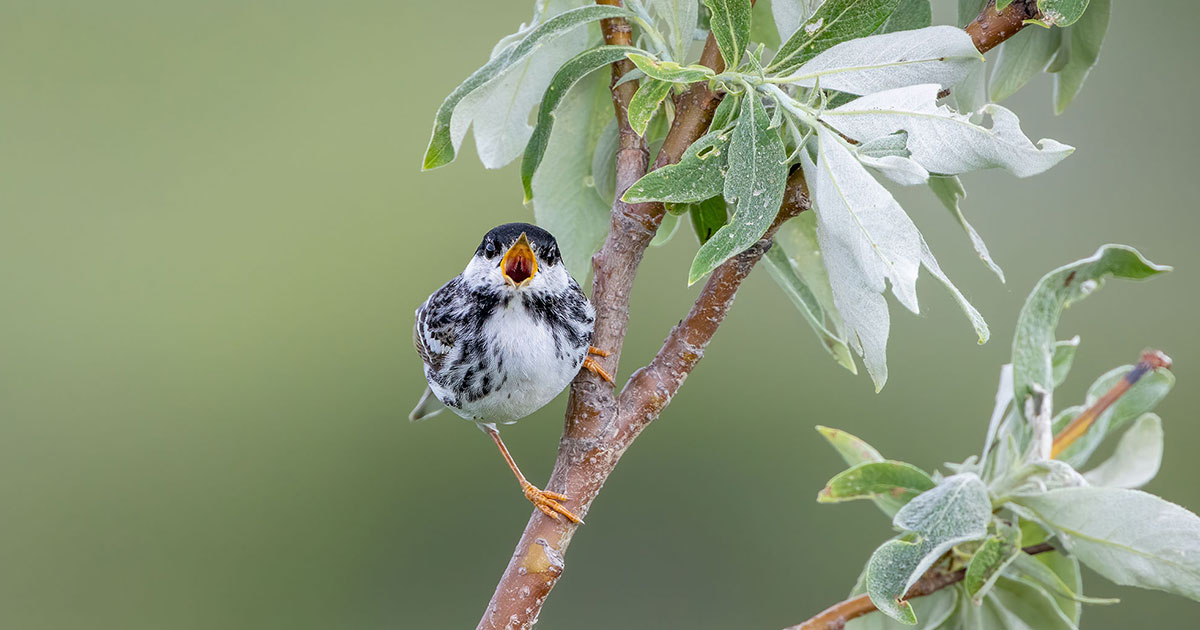
Learning which plants are best suited to your region can help make your yard, balcony, or patio even more bird-friendly. With a little work and planning, you could be rewarded with an iridescent Ruby-throated Hummingbird or a seasonal migrant like this Blackpoll Warbler.
Whether you’re looking to increase your awareness outdoors or attract more birds to your home, let this primer be your guide.
"Sad. I did not know that when mold forms on the feeders they eat from, their tongues swell n they can’t eat...so they starve ....and so do the little ones in the nest. :(
One should dump out the existing nectar, take the feeder apart completely, wash all parts with hot water and a biodegradable dish soap like Dawn. Use a bottle brush as needed. Then rinse all thoroughly. Make sure there is no sign of mold or black mildew.
To make nectar, boil 2 cups of water, add 1/2 cup sugar. Stir to completely dissolve the sugar. DO NOT ADD coloring. Cool nectar to room temperature. Nectar can be stored in the fridge for 5 days before using in your feeder."-Kym Phillips Smith.
"Native plants are the base of the ecological food web. In addition, [Doug Tallamy's] research indicates that when a landscape dips below 80% native plants, the reproduction rate of birds begins to drop. Thus, we can all make a difference in our yards by increasing the percentage of native plants each year."



 :(
:(


